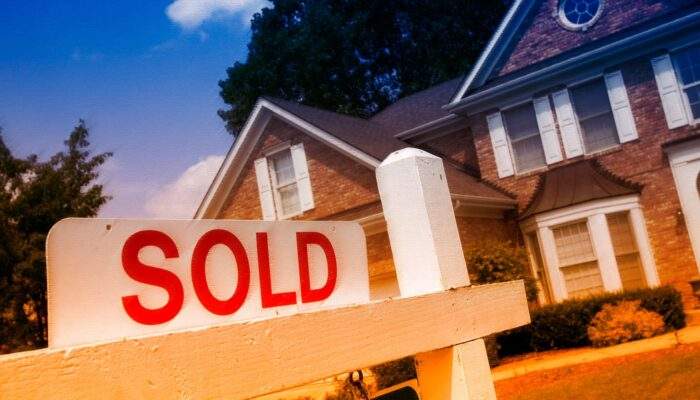
California Homestead: Intent to Reside and the Out-of-State Home
A bankruptcy attorney colleague recently asked, does the California homestead exemption protect you if you don’t reside in the house? Are you required to live in the home? For how long? Who qualifies? Does the homestead exemption protect the home if the house isn’t in California? The answer, like most things in law, is: “it depends.”
Dual residency in two states and and claim homestead in both?
No, there is no dual residency in multiple states for the purposes of homestead. As you’ll read below, a homestead is the place in which you primarily live. You can’t primarily live in two places. So, the determination is where you primarily reside, which state law applies, and is the house protected by the California homestead exemption.
Let’s look at these “away from home” situations one at a time.
The California homestead and intent to reside

First, can someone claim the California homestead exemption if they live in the house on the date the petition is filed, but move out after? What if they move out after the Chapter 7 bankruptcy is filed, but it’s just a temporary relocation? Or what if the debtor who filed bankruptcy really has no intention to return?
The result is very fact-specific, and has had bankruptcy courts and appellate courts carefully examining the particulars for the debtor before filed, on the date the case was filed, and then after the case was filed. Let’s review a few significant cases in the Ninth Circuit to see how the courts have ruled.
Continue reading “California Homestead: Intent to Reside and the Out-of-State Home”