
Tag: chapter 13

Chapter 13 is a chapter or type of bankruptcy that lets someone with cash flow repay some or all of their debt in one monthly payment, freezing interest, and being protected from law suits and collections.


Remote 341(a) meeting of creditors

Zoom 341(a) Meeting Remote: What to Expect and How to Prepare

Zoom 341(a) Meeting of Creditors Remotely: What to Expect

Zoom 341a Meetings, explained by Los Angeles Bankruptcy lawyer

Remote 341(a) Meetings of Creditors by Zoom in bankruptcy are becoming the standard, instead of in-person. Here’s what to expect. They can be terrifying, nerve-wracking, and unpredictable. But there are ways you can prepare for a Zoom 341a Meeting to help it go more smoothly.

As someone who has attended thousands of 341s in person (after coaching my clients with my list of 12 prefiling do’s and don’ts), I answer your 341(a) questions and share with you what to expect at your 341(a) meeting in a post-pandemic world where Zoom 341(a) meetings are more common, and soon becoming the standard.

Continue reading “Zoom 341(a) Meeting Remote: What to Expect and How to Prepare”

Automatic stay and bankruptcy protection

All About the Automatic Stay, the Ultimate Bankruptcy Protection

All About the Automatic Stay, the Ultimate Bankruptcy Protection

What is the Automatic Stay definition or meaning?

Automatic stay is the bankruptcy protection when a new petition is filed with the court. It protects against starting or continuing any debt collection. It’s a powerful provision, and stops all collection activity, maintaining the status quo on the day the bankruptcy papers are filed. Failure to respect the bankruptcy protection can lead to sanctions against the collecting creditor.

Continue reading “All About the Automatic Stay, the Ultimate Bankruptcy Protection”

chapter 13 debt limits

Chapter 13 Debt Limits (2026 update)

Chapter 13 Debt Limits (2026 update)

Debt Limits in Chapter 13 Bankruptcy

2026 Update: Chapter 13 debt have been in a state of flux, and adjusted again in April 2025. Note that they were temporarily higher than normal, but then returned to normal, and now get a bump. Why? There was a law which, among other things, temporarily increased the Chapter 13 debt limit to $2.75 million dollars. This limit was for both secured and unsecured debt combined. It was about double what the debt limits had been, and was extremely helpful for Los Angeles residents who have a second property and mortgage debt that exceeds $1.5 million. The Chapter 13 debt limit increase was temporary and sunseted last year. There is chatter it may increase again back up to this high number, but this is speculative at this stage. See below for the current figures, which updated in April 1 2025, good for 3 years.

Continue reading “Chapter 13 Debt Limits (2026 update)”

Key in hand for car or house

Chapter 13 Mortgage & Car Payments

Chapter 13 Mortgage & Car Payments

Introduction: Understanding Chapter 13 & Home and Car Payments as Secured Debts

Filing for Chapter 13 bankruptcy is a big step; it’s a commitment to a repayment plan designed to get you back on track financially. It allows you to catch up on debts while keeping your important assets, secured debts like your home and car. But what happens to those payments during this process?

If you’re wondering about mortgage payments in Chapter 13 or how car loans in Chapter 13 are treated, you’re not alone. This guide will break down everything you need to know, offering clarity and peace of mind as you navigate this journey.

Continue reading “Chapter 13 Mortgage & Car Payments”

No interest is bad if you're on a date, and what unsecured debts are supposed to get

May They Have Your Interest? Unsecured Debts in Chapter 13

May They Have Your Interest? Unsecured Debts in Chapter 13

Credit card interest stops accruing after filing a Chapter 13 bankruptcy in most cases

In Chapter 13 bankruptcy, do you have to pay the general unsecured creditors — like credit cards and personal loans — interest on their debt?  The Bankruptcy Code specifically describes the treatment of claims with postpetition interest, so you would think unmatured interest in Chapter 13 would be settled.

Continue reading “May They Have Your Interest? Unsecured Debts in Chapter 13”
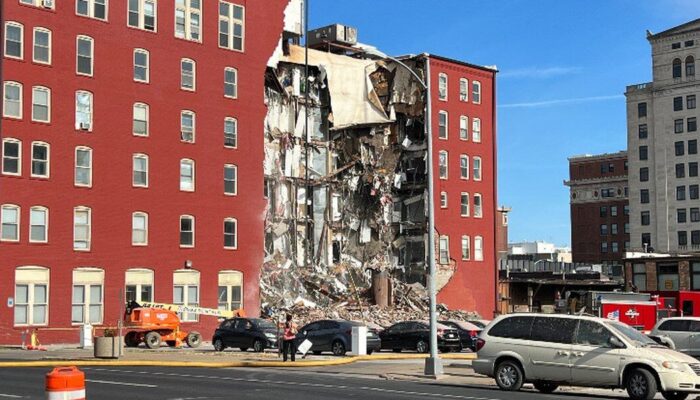
A home lien cramdown is not like a building collapse

9th Cir BAP: Yes, Cramdown a Lien Secured by Residence in 1322

9th Cir BAP: Yes, Cramdown a Lien Secured by Residence in 1322

It’s possible to bifurcate a secured debt on a home or HELOC in a Chapter 13 bankruptcy, but timing matters.

SUMMARY

In In re Lee and Chen, 2023 WL 7489928 (BAP 11/13/23), the Bankruptcy Appellate Panel for the Ninth Circuit (“BAP”) held that § 1322(c)(2) is an exception to § 1322(b)(2), and that the Chapter 13 debtors were able to bifurcate and cramdown a secured debt on their residence that matures during the plan.

Continue reading “9th Cir BAP: Yes, Cramdown a Lien Secured by Residence in 1322”

types of bankruptcies chapter 7 vs 11 vs chapter 13

3 Types of Bankruptcy (2026 update)

Types of Bankruptcies: Chapter 7 vs 11 vs 13

There’s a lot of confusion about the types of bankruptcies. Firstly, some clarification on jargon. You’ll hear a lot about bankruptcy chapters. What’s a chapter? Think of it as a bankruptcy type, or a kind, or flavor. While there at least five types of bankruptcies, most people thinking about consumer personal bankruptcy will focus on just two or three bankruptcy types, or chapters, including Chapter 7 vs 11 vs 13.

The type name “chapter” just refers to the part of the Bankruptcy Code, which is Title 11 of the United States Code. For example, much of the bankruptcy laws that cover Chapter 7 bankruptcy starts at 11 U.S.C. 701, and following. The book I have on my desk literally has a section called Chapter 7 – Liquidation.

Listing the Types of Bankruptcies

Ok, so now that we have some basics out of the way, let’s take a look at the different bankruptcy types commonly used when people file bankruptcy.

(more…)
Welsh is a gift from the 9th Circuit for every bankruptcy attorney

Chapter 13, Social Security, & Luxury Debt: A Case you Must Know

Chapter 13, Social Security, & Luxury Debt: A Case you Must Know

Why Welsh is the greatest Chapter 13 case ever

Every now and then, courts pass down a ruling on a subject that is so practical and a decision so favorable to consumer debtors that it’s as if the heavens opened, angels sang, and cherubim hand-delivered a gift to attorneys far and wide on the wings of a unicorn. The Ninth Circuit’s In re Welsh is such a case.

Introduction

On this, the ten-year anniversary of In re Welsh, 711 F.3d 1120 (9th Cir, 2013), it seems relatively few attorneys know about this ruling, and how it can benefit debtors. Or at least, far fewer bankruptcy lawyers know about this than should. Yet we all should have it tattooed on the inside of our eyelids.

So, with the goal of getting the word out there, and celebrating a decade of relative anonymity, here’s a loud and triumphant commemoration as a monument to one of the greatest debtor cases in bankruptcy jurisprudence, and all of its varied folklore.

Continue reading “Chapter 13, Social Security, & Luxury Debt: A Case you Must Know”

last will and testament receive inheritance bankruptcy

Inheritance, Bankruptcy and Chapter 13

Inheritance, Bankruptcy and Chapter 13

The mysterious interplay between Sections 541 and 1306 of the Bankruptcy Code

In bankruptcy, do inheritances go to the debts, or can the debtor keep them?  Does timing matter? What about Chapter 7 vs 13? What happens when someone in a Chapter 13 bankruptcy receives an inheritance after confirmation?

It all depends on the chapter, and when the debtor got the interest. Not the money interest, but the property interest.

Let’s break it down.

Continue reading “Inheritance, Bankruptcy and Chapter 13”

Fighting over home appreciation in a converted bankruptcy

9th Cir: Here’s who gets Asset Appreciation in Converted Bankruptcy

9th Cir: Here’s who gets Asset Appreciation in Converted Bankruptcy

Ninth Circuit rules home appreciation which accrued between Chapter 13 confirmation and conversion to Chapter 7 can be administered to repay debts, creating split from 10th Circuit

It’s not uncommon for a debtor in Chapter 13 bankruptcy to need to convert to Chapter 7 if debtor has a job loss or health problems.  In a rising real estate market, homes can appreciate between confirmation and conversion. To whom does the appreciation in equity belong? This is where debtors and Chapter 7 trustees fight fiercely over the home and its new equity.

Continue reading “9th Cir: Here’s who gets Asset Appreciation in Converted Bankruptcy”